

Description
Core Gameplay Loop
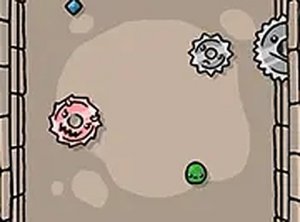
Leap & Dodge: Reflex Challenge is built around a simple but demanding premise. Players watch a series of objects descend from the top of the screen toward their character. The only action required is a single tap or click to make the character jump. The challenge lies in timing that jump perfectly. A mistimed jump means immediate failure, resetting the run. This creates a high-stakes, high-reward loop where each successful dodge feels satisfying, and each mistake is a clear lesson in timing.
Progression and Difficulty Curve
The game does not use traditional levels or checkpoints. Instead, the difficulty ramps up dynamically based on how long a player survives. Early rounds are slow, giving newcomers a chance to learn the rhythm. As the score increases, objects fall faster and in more complex patterns. This gradual increase in speed ensures that the game remains challenging for experienced players while still being accessible to beginners. The only way to improve is to practice and develop a better sense of timing.
Visual and Audio Design
Leap & Dodge: Reflex Challenge uses clean, minimalist visuals that keep the focus squarely on the action. The character and falling objects are clearly defined against a simple background, reducing visual clutter. There are no distracting animations or unnecessary effects. The audio is similarly restrained, with subtle sound cues that mark successful dodges and the end of a run. This design philosophy helps players concentrate on what matters most: the precise timing of each jump.
Accessibility and Platform
Because it is built with HTML5, the game runs directly in any modern web browser. There is no software to download or install. This makes it easy to play on a desktop computer, a tablet, or a smartphone. The controls are the same across all devices: a single tap on touchscreens or a single click with a mouse. This cross-platform compatibility ensures that players can enjoy the game wherever they are, without any setup time.
Strategy for High Scores
While the controls are simple, achieving a high score requires more than just fast reflexes. Successful players learn to watch the center of the screen, where objects first appear. They also develop a sense of rhythm, anticipating when to jump rather than reacting at the last moment. Staying calm is crucial, as panic often leads to early mistakes. Consistency matters more than speed: a steady, focused approach usually results in longer survival and higher scores.































Player Comments
Sign in to comment
You must be logged in before posting a review or rating.
No account? Create one
No comments yet. Be the first to comment!